TG-7 Macro Guide
Underwater Macro Photography with the OM System Tough TG-7
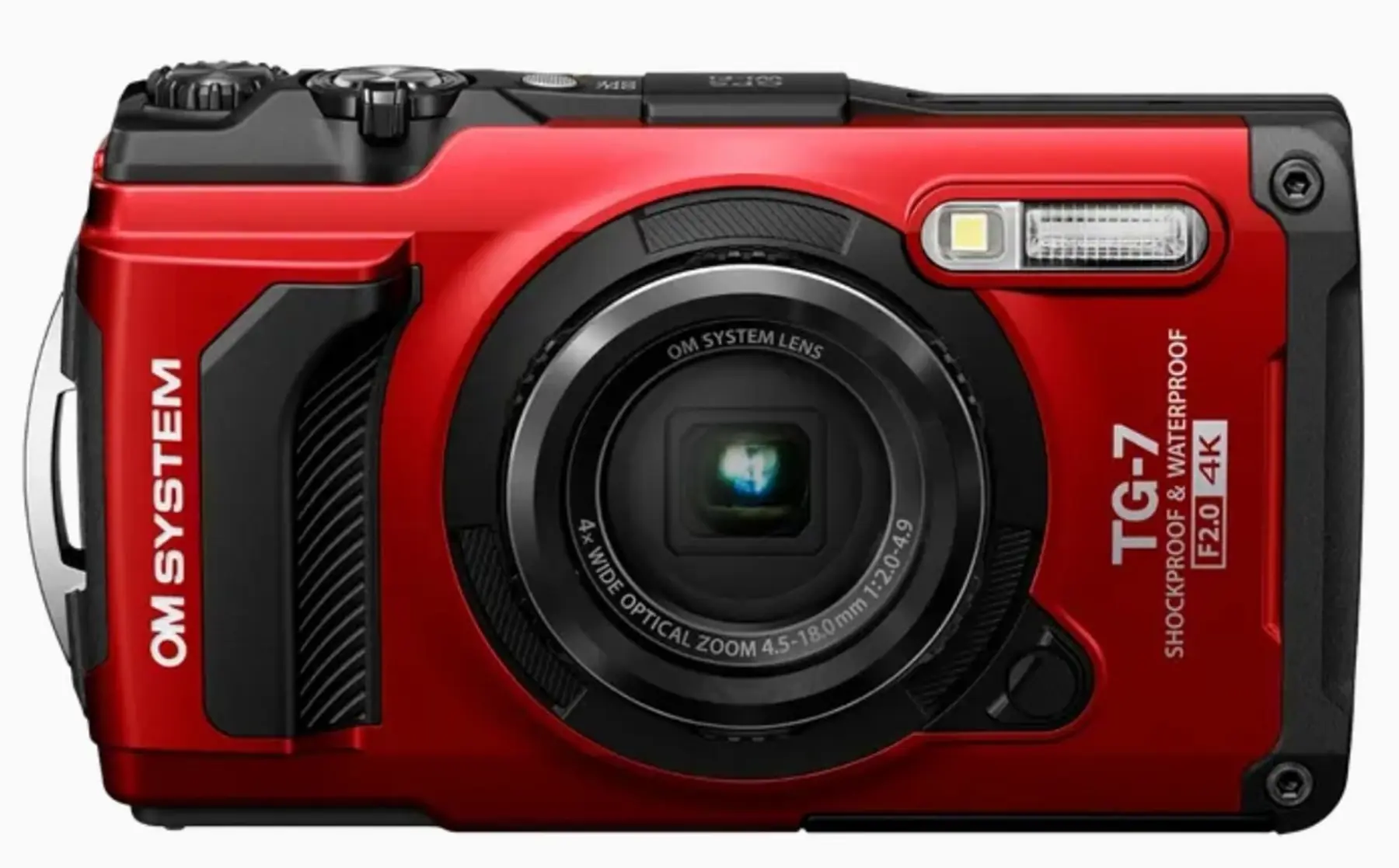
The OM System Tough TG-7 is one of the most popular cameras for underwater macro photography because it can focus extremely close, travel easily and work well with compact lighting systems such as the Backscatter Mini Flash 2.
Why the TG-7 Excels at Macro Photography
The TG-7 is small, rugged and simple enough to use on real dive boats, but it has unusually strong close-focus ability. That makes it especially useful for nudibranchs, shrimps, frogfish, crabs, blennies and tiny reef details.
- Excellent close focusing ability
- Microscope mode for very small subjects
- RAW + JPEG capture
- Compact housing options
- Easy pairing with external strobes and video lights
- Small enough for serious travel diving
Five Things More Important Than Camera Settings
1. Buoyancy
No camera setting can compensate for poor buoyancy. Stable positioning gives sharper images, cleaner composition and less damage to the environment.
2. Subject Approach
Move slowly. Most macro subjects will tolerate a close approach if you avoid sudden movement, poor finning or touching the reef.
3. Lighting
Light creates shape, texture and separation. A small change in strobe angle can remove backscatter, reveal detail or completely change the mood of an image.
4. Focus Placement
Focus on the most important feature. With animals, that is usually the eye. With nudibranchs, rhinophores are often the key detail.
5. Composition
Avoid taking every image from directly above. Lower angles, diagonal lines, negative space and clean backgrounds usually produce stronger photographs.
Photographing Nudibranchs
Nudibranchs are perfect TG-7 subjects because they are colourful, slow moving and often have interesting texture. The strongest images usually show the face, rhinophores or body pattern clearly.
- Focus on the rhinophores or leading edge of the face.
- Try a low angle rather than a top-down identification shot.
- Use side lighting to show texture.
- Check the background before pressing the shutter.
Photographing Shrimps
Shrimps are harder because they are small, quick and often transparent. Focus accuracy is critical. Take several frames because the difference between sharp and nearly sharp can be tiny.
- Focus on the nearest eye.
- Use F4.0 to F8.0 if you need more depth of field.
- Use side lighting to reveal transparent bodies.
- Be patient and wait for the animal to settle.
Photographing Frogfish
Frogfish are wonderful macro subjects because of their expression, texture and camouflage. The eye is the photograph. If the eye is not sharp, the image usually fails.
- Focus carefully on the eye.
- Use angled strobe light to reveal skin texture.
- Watch for messy backgrounds.
- Do not crowd the subject if a wider environmental shot works better.
Photographing Seahorses
Seahorses need patience. Avoid stressing the animal and never manipulate the subject or its holdfast. A little space around the seahorse often creates a better photograph than a very tight crop.
- Focus on the eye.
- Use soft, angled light.
- Leave space in the direction the animal is facing.
- Avoid harsh lighting on pale or reflective subjects.
Common Mistakes
Shooting Downwards
Top-down images are useful for identification, but they often look flat. Lower the camera when the environment allows it.
Using Too Much Zoom
With the TG-7, moving closer is usually better than relying heavily on zoom. Closer shooting improves detail and reduces the amount of water between the lens and subject.
Changing Settings Before Fixing Lighting
If the image looks poor, check strobe angle first. Backscatter, harsh shadows and blown highlights are usually lighting problems.
Rushing the Subject
Good macro photography rewards patience. Settle, breathe slowly, frame carefully and take several images.
Simple TG-7 Macro Setup
| Setting | Starting Point |
|---|---|
| Mode | A Mode or Microscope Mode |
| ISO | 100 |
| File Type | RAW + JPEG |
| Flash | Fill In / Forced Flash |
| Focus | Small focus point |
| Light | Backscatter Mini Flash 2 or good video light |
Final Thoughts
The TG-7 rewards good underwater technique. Keep the system simple, master buoyancy and lighting, and concentrate on the subject. That approach will improve your images far more than constantly changing menus underwater.
Frequently asked questions
Is the OM System TG-7 good for underwater macro photography?
Yes. The TG-7 is a strong compact option for underwater macro because it focuses very close, is simple to travel with and works well for nudibranchs, shrimps, crabs and other small subjects when paired with good lighting.
What are the best TG-7 settings for nudibranchs?
A good starting point is microscope mode or aperture priority, ISO 100, RAW + JPEG, a small focus point and forced flash when using an optical strobe. Lighting and stability matter more than constantly changing settings underwater.
Do I need a strobe for TG-7 macro photography?
You can take simple macro images with a video light or torch, but a strobe gives cleaner colour, more control and better separation from the background. For serious nudibranch photography, a small strobe is a major upgrade.
Is a snoot useful for nudibranch photography?
A snoot can be very useful once your basic lighting is reliable. It lets you isolate a nudibranch, reduce distracting backgrounds and create more dramatic macro images, but it takes patience and precise positioning.
Should I shoot TG-7 macro in microscope mode?
Microscope mode is excellent for very small subjects and close-focus work. For slightly larger subjects or when using a strobe, aperture priority can also work well. The best mode depends on subject size, working distance and lighting.
What is the best beginner setup for underwater macro photography?
A practical beginner setup is a TG-7 in its underwater housing, a tray with two handles, one small strobe or good focus/video light, and simple arms that keep the rig compact. Master buoyancy and lighting before adding more accessories.